

In Print
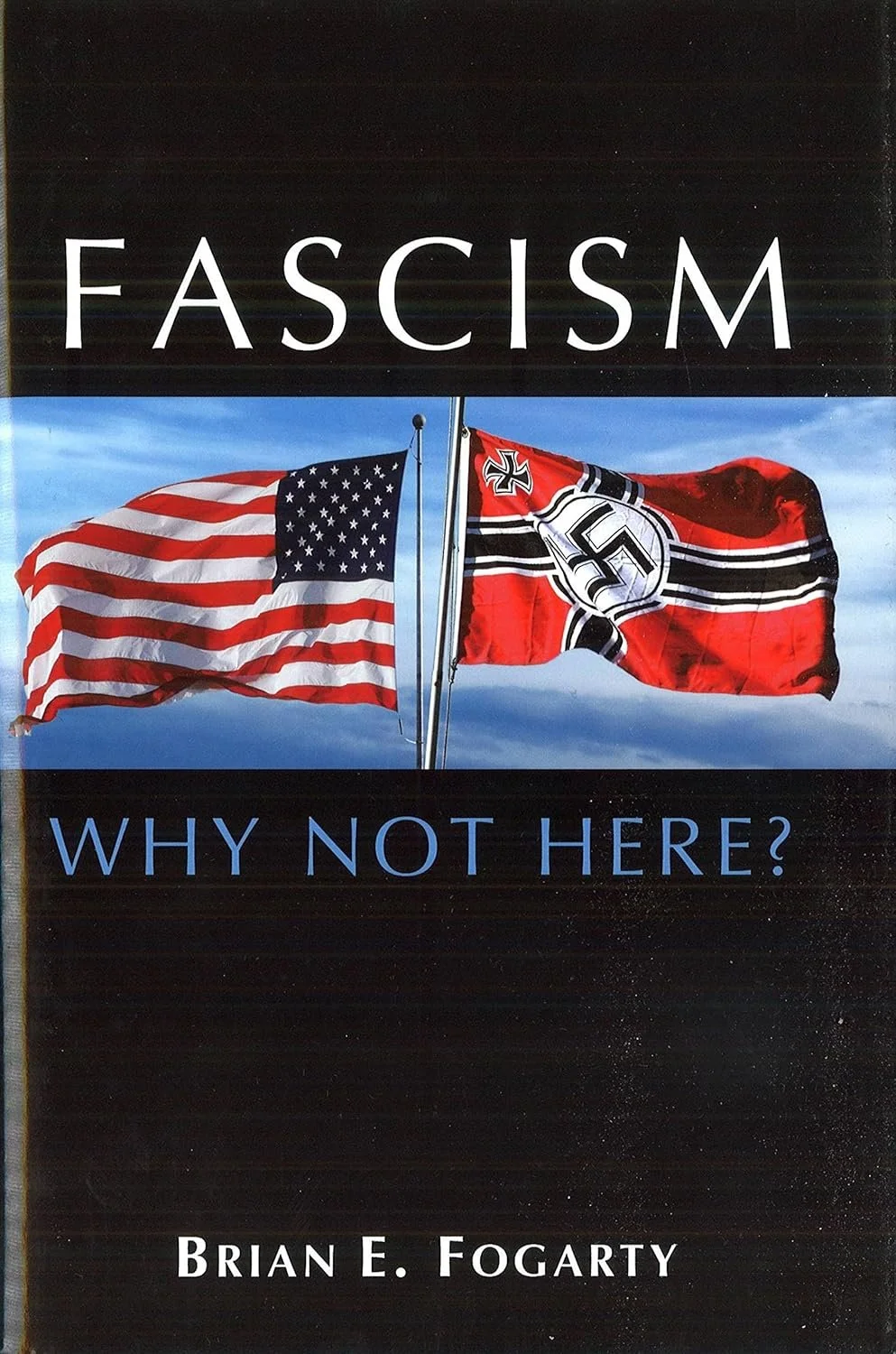
Fascism: Why Not Here?
Published in 2010 as a warning that American culture contains strains of fascist thought. How could I know they would come to fruition so quickly?
“The author reminds us that there has been a tendency in the past for some to move in the direction of fascism. For anyone concerned to make sure ‘it does not happen here,’ this lively and well-written book is a must-read, a cautionary tale with lessons to be learned.”
—Robert Gellately, author of Lenin, Stalin, and Hitler: The Age of Social Catastrophe
War, Peace, and the Social Order
A sociological analysis of the causes and conduct of war and methods for creating peace, including the structure of the military-industrial complex and the role of nonviolent resistance.
“War, Peace, and the Social Order will fill an important gap in sociology.”
—Jennifer Turpin, University of San Francisco
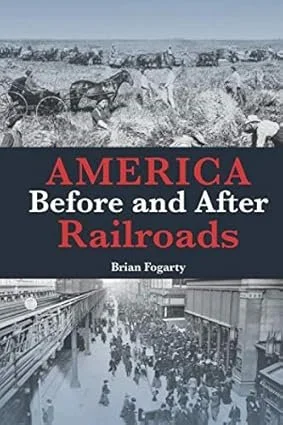
America Before and After Railroads
Before there were cars and highways and air travel, you could travel across the country for a vacation, eat fresh seafood in Omaha, and follow your favorite major-league baseball team. But you couldn’t have done any of it before railroads. They transformed America from an agrarian backwater to an industrial colossus and world power—and also changed our daily lives in myriad small ways.
In Progress
Walt Kreitzer is a government bureaucrat whose world has been chaos ever since he was born: the Great War in which he served, the roaring twenties, the crash and depression, and now, World War II. All he wants is a normal life, “with a nice house, a nice wife, and a smart dog.” But a guilty past and the chaotic present make that impossible.
The Anthill Trilogy
In Arsenal 1943, Walt is assigned to investigate production problems at an ammunition plant in St. Louis. But what should be a routine case turns out to have a crime buried in it, and a new romance leads him unwittingly into the war’s most explosive secret.
In Two Bangs and a Whimper, Walt finds himself in Guam at the end of the war, faced with the impossible task of disposing of millions of tons of surplus war material. The Army doesn’t need it and the Navy can’t ship it all home, but there are plenty of characters who’d be willing to take it off his hands, including shady businessmen, Russian agents, and Yakuza gangs.
In Displaced Persons, Walt is in Berlin helping German industry get back on its feet. But it seems most of the experienced managers and technicians have to be de-nazified first. And his task is derailed by an orphaned boy and a German war widow, who just might offer him the normal world he’s been searching for.
Everything Is made of transport, and this book demonstrates how. Tracing the paths of water, fuel, power, goods, and waste, it also encourages the reader to visualize the immensity of what is constantly moving around us.
How Does it All Get Here?